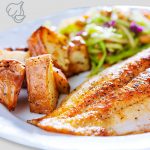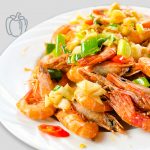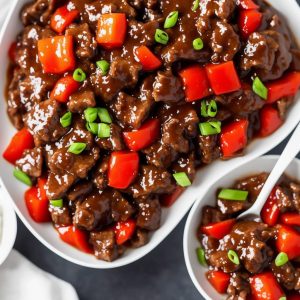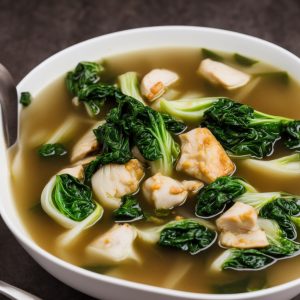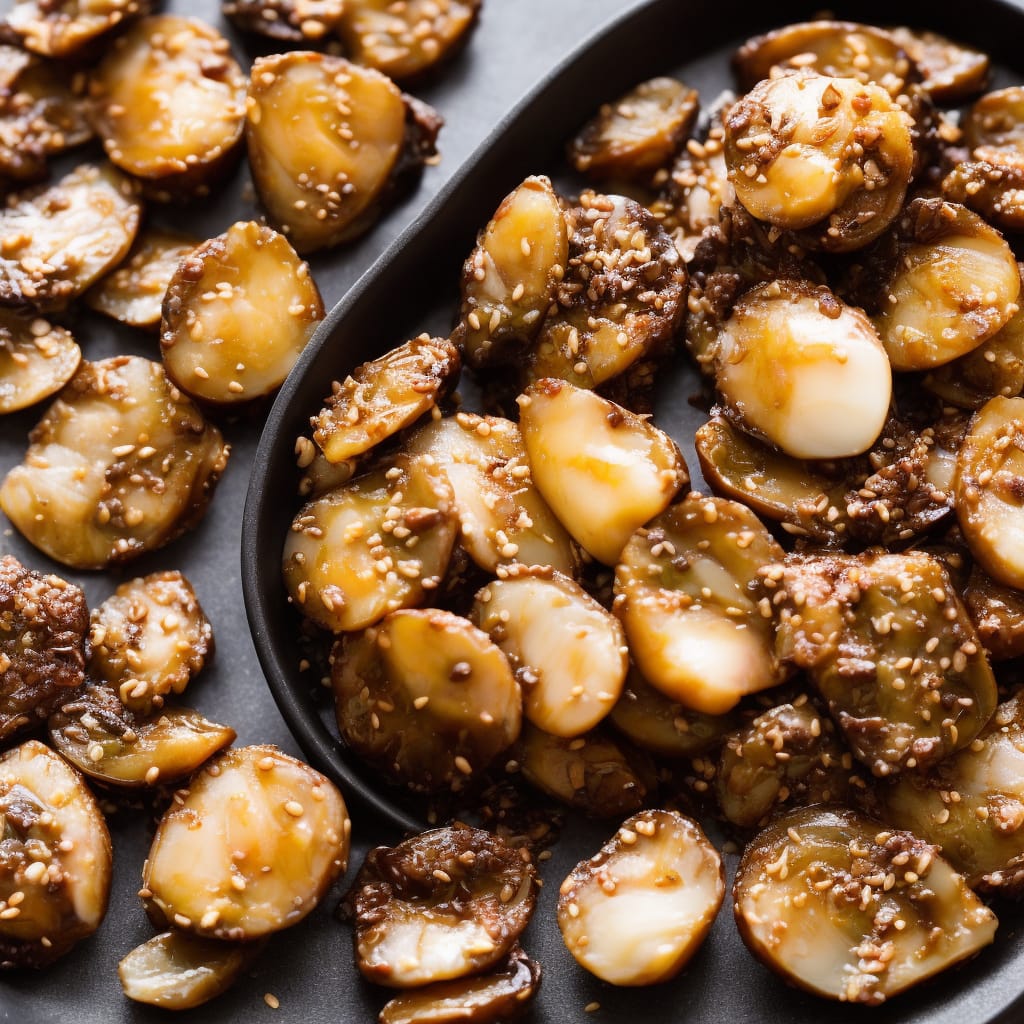
Where do you even begin with seafood? You might find yourself overwhelmed by the vast selection of seafood dishes to choose from, but fret not! Our seafood recipes are here to help you out!
Read More
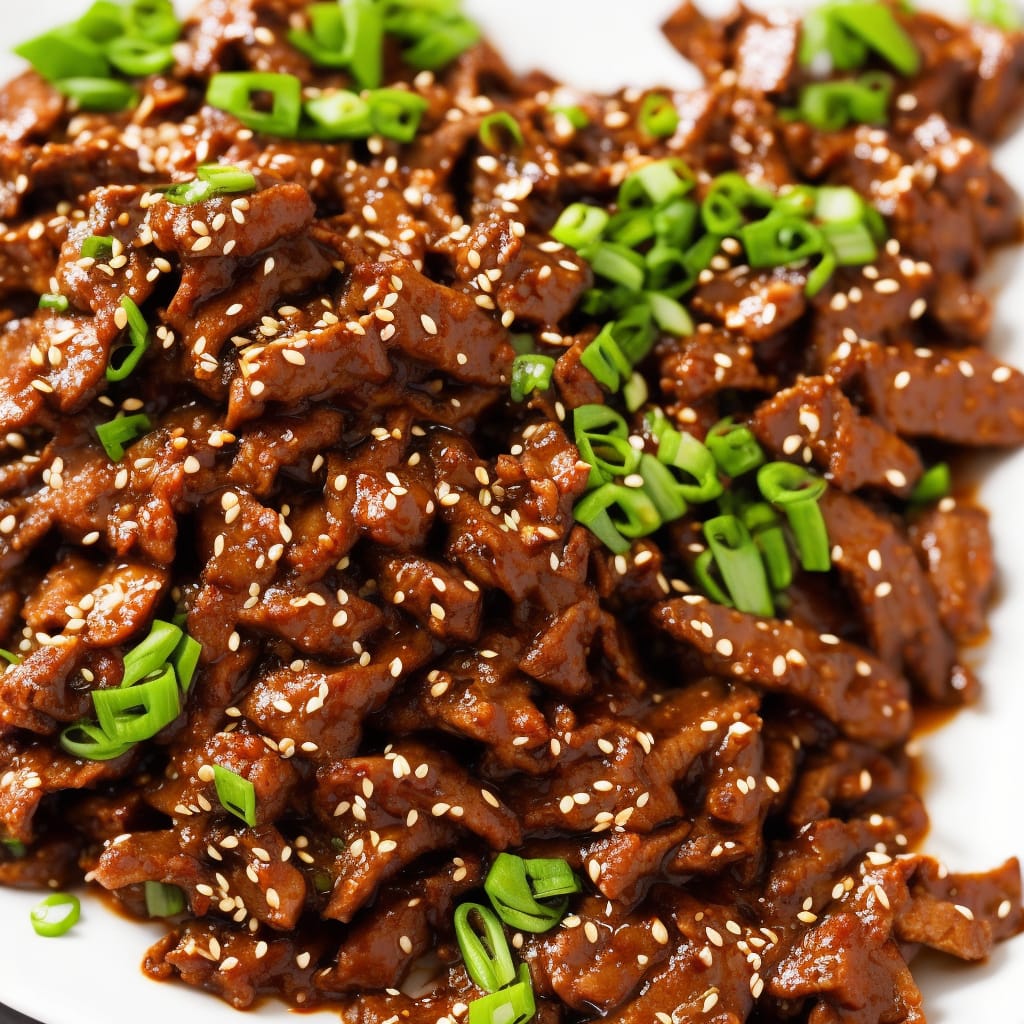
Taste exotic flavor combinations with our exquisite Asian recipes! Whether it's Chinese, South Korean, Thai, Indian, or Japanese, we've got all the signature Asian dishes you could hope for. Have a taste of Asian noodles, dumplings, fried rice, soups, stews, curries, stir fry, and more with our Asian recipes!
Read More
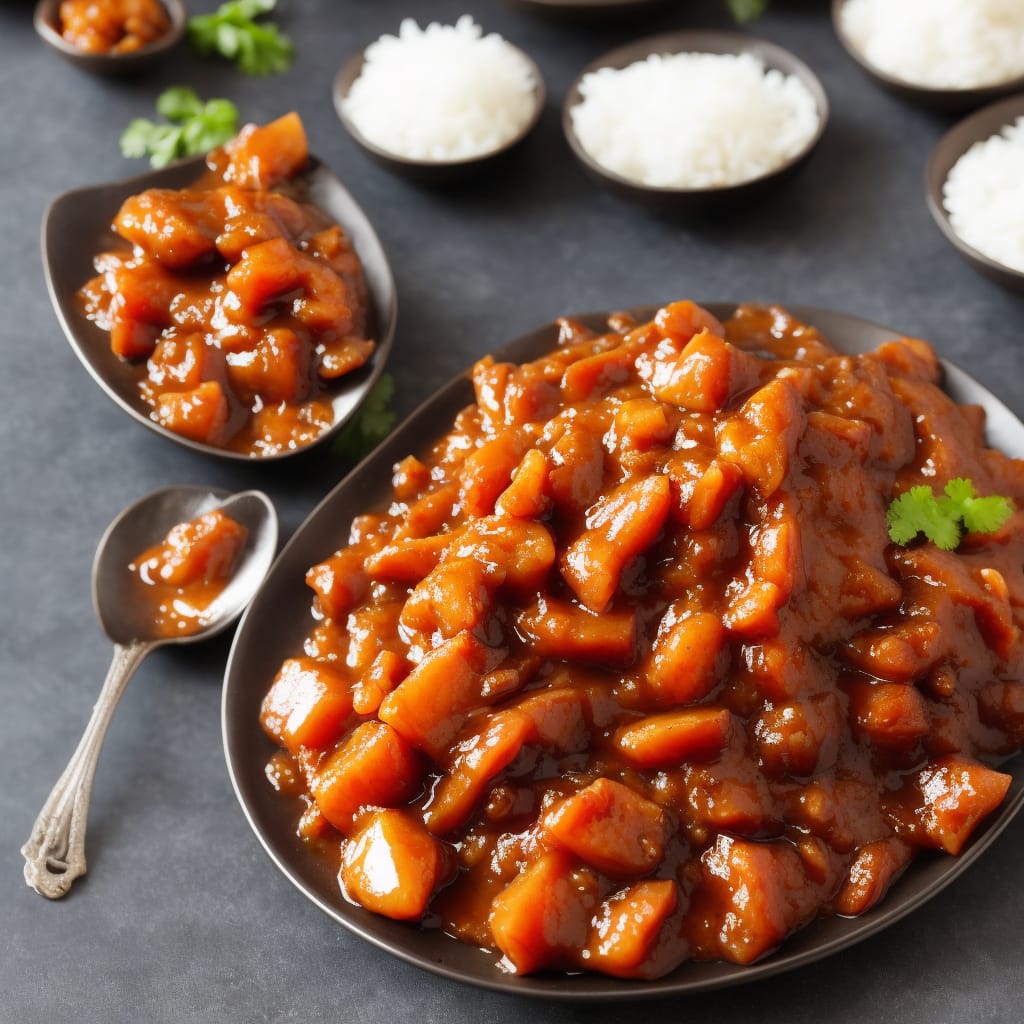
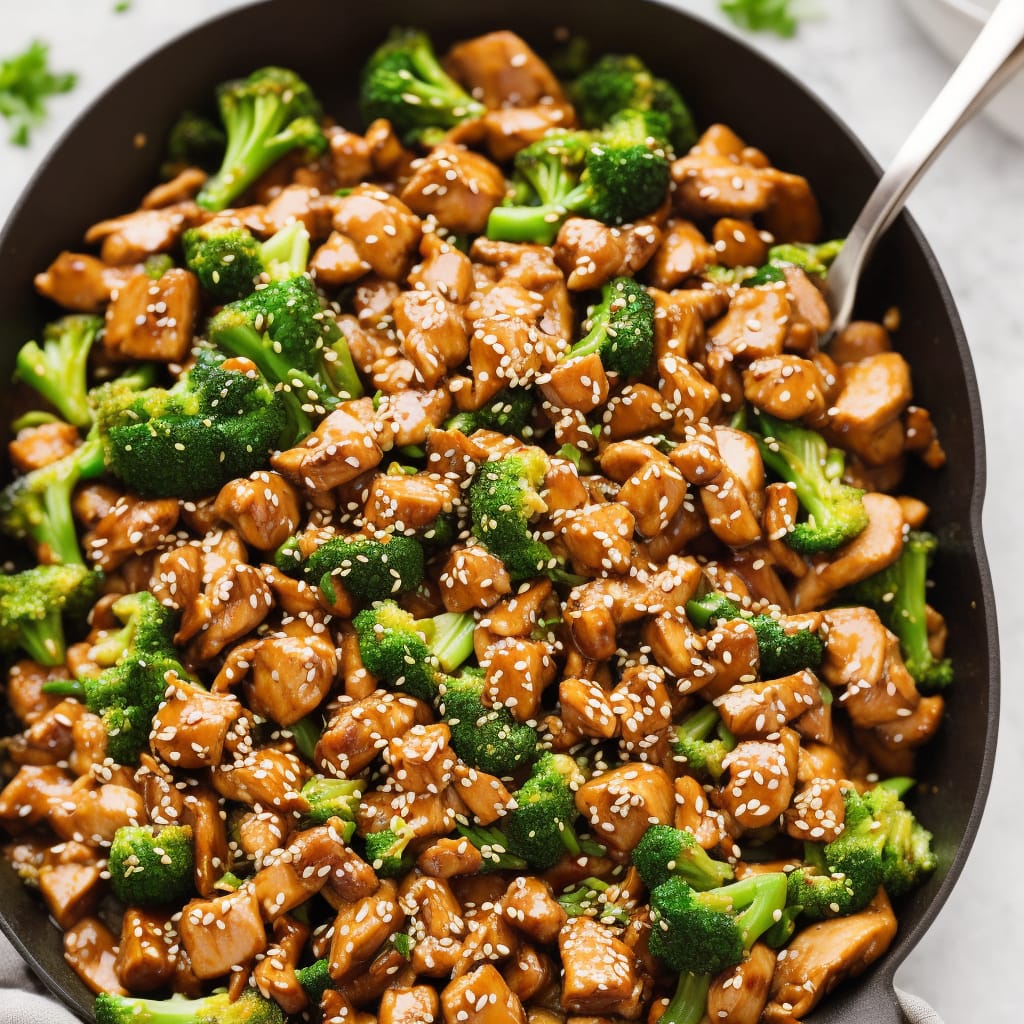
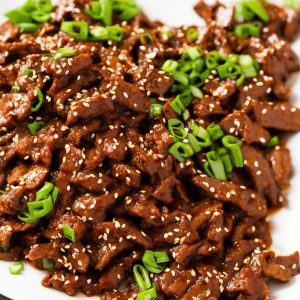
Make easy yet tasty meals with our stir fry recipes! Toss in some meat or veggies as well as delicious seasonings to make an almost-effortless meal. Stir it up and serve to your loved ones.
Read More
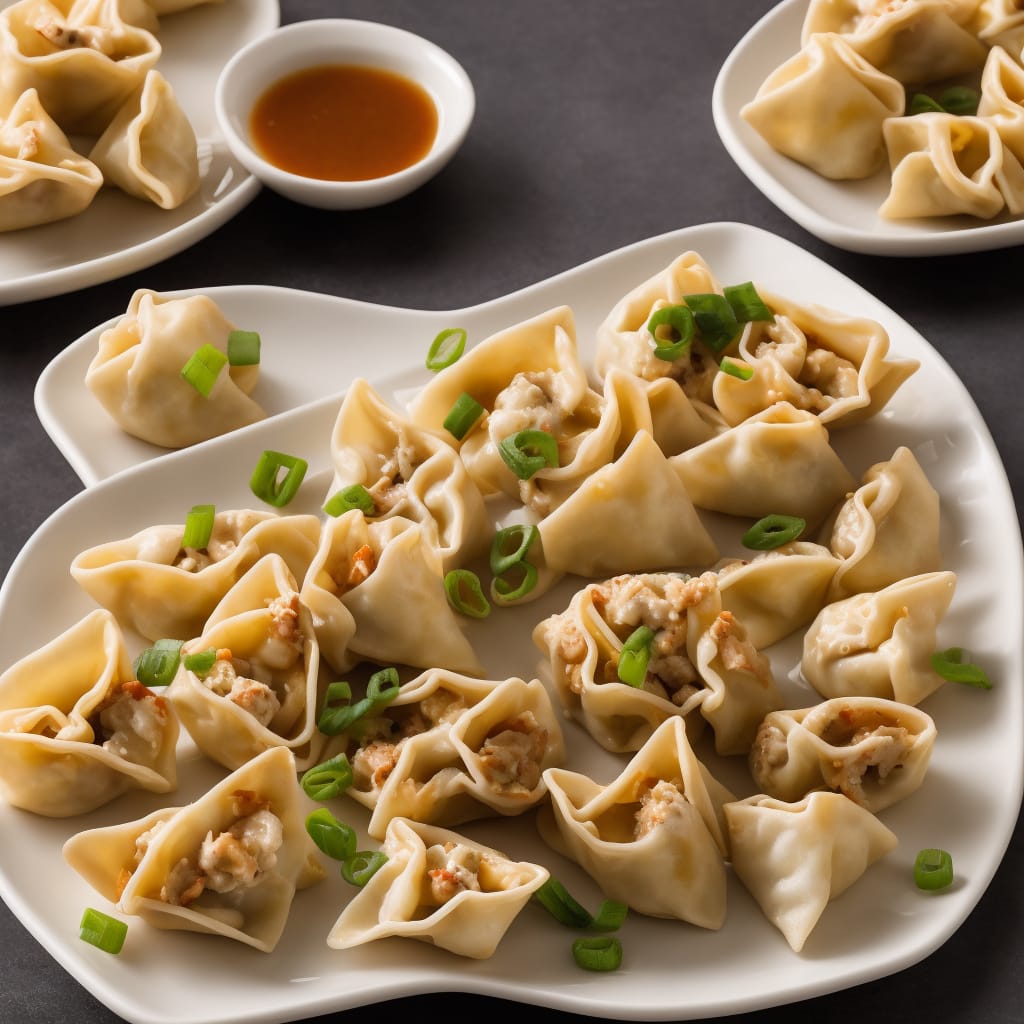
Have a few bites of appetizers to prep you for the big meal. Hungry but don’t want anything too heavy? These snack and appetizer recipes are sure to satisfy you and keep the hunger pangs at bay. From healthy snacks to extravagant party appetizers, you'll find anything light bite that suits your fancy right here!
Read More
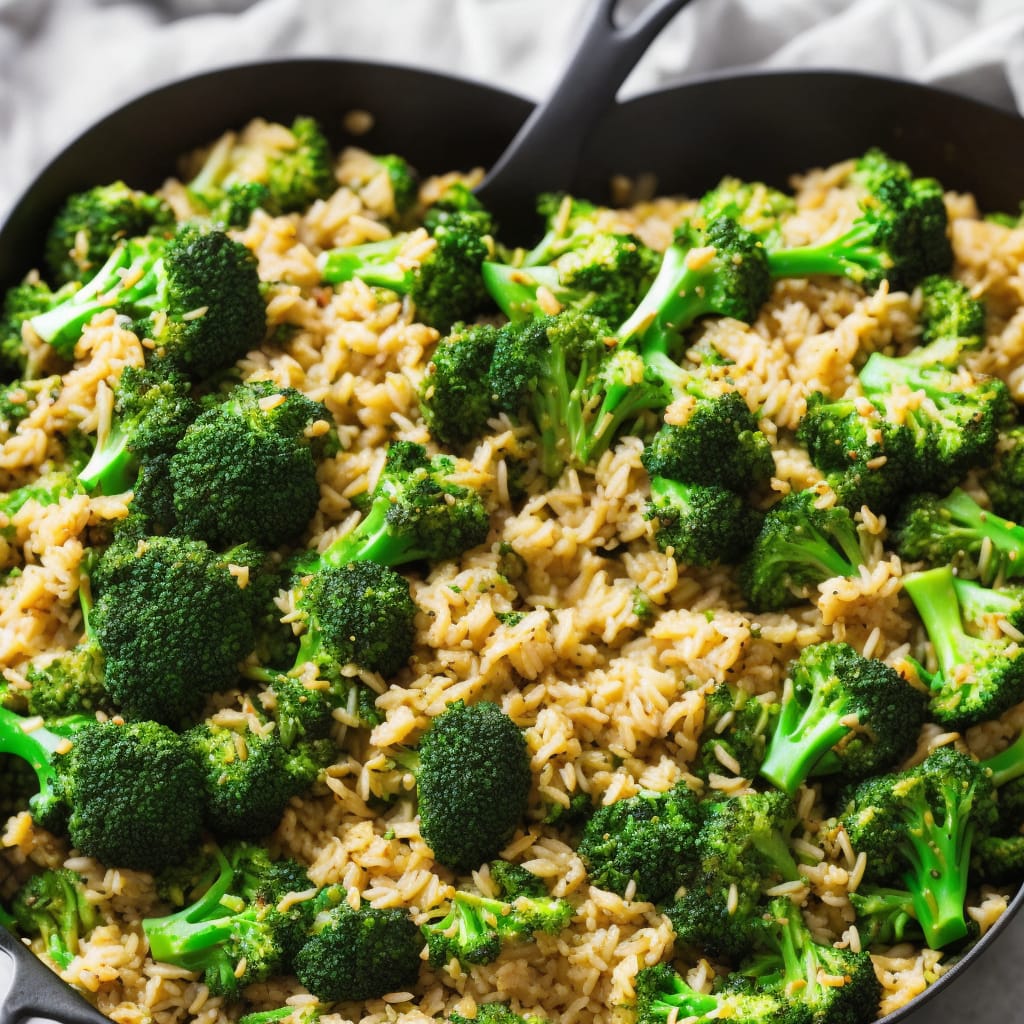
Make your meals healthier with our yummy vegetable recipes! Whether it’s green and leafy, or bright and colorful veggies, our recipes are the perfect answer. Whip up and serve flavorful vegetable dishes to keep your loved ones full and healthy. Also, if you’re worried about vegetables tasting bland, you don't have to worry, not with our vegetable recipes. We have all kinds of ways to help you cook delicious but nutritious veggies. So, go on and explore our vegetable recipes!
Read More
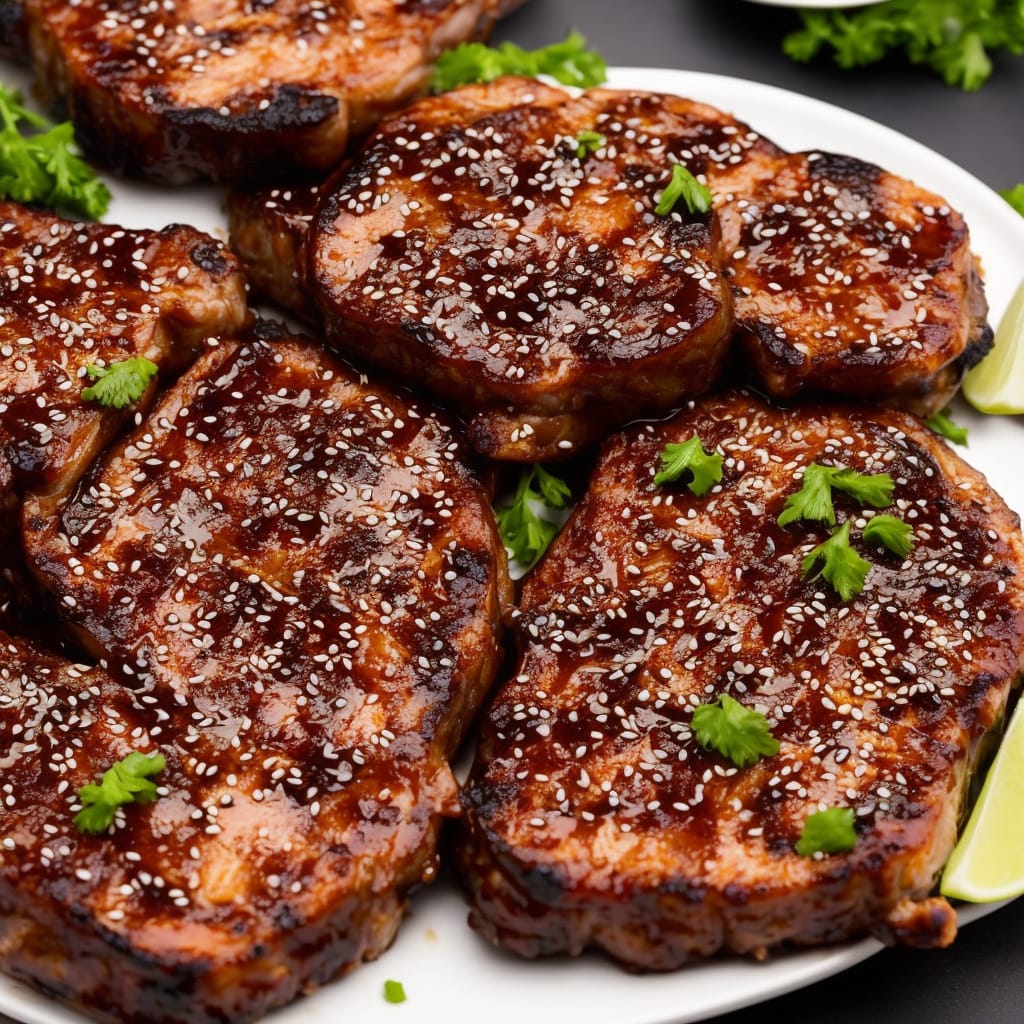
If you’re the outdoorsy type who simply loves grilled food and barbeque, then these grilled and BBQ recipes are for you! Cooking at the grill will be no challenge at all when you’ve got our grilled and BBQ recipes at hand.
Read More
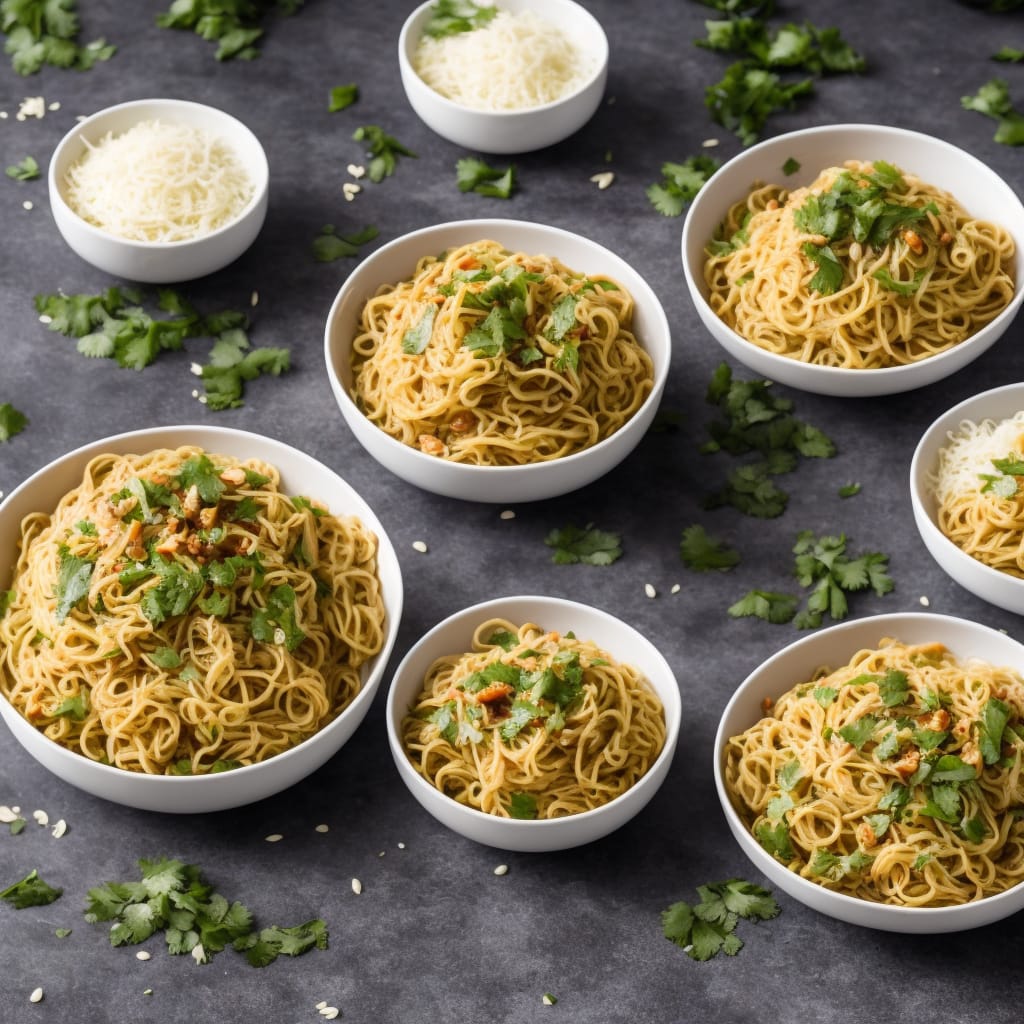
Make your meals healthier with our yummy vegetable recipes! Whether it’s green and leafy, or bright and colorful veggies, our recipes are the perfect answer. Whip up and serve flavorful vegetable dishes to keep your loved ones full and healthy. Also, if you’re worried about vegetables tasting bland, you don't have to worry, not with our vegetable recipes. We have all kinds of ways to help you cook delicious but nutritious veggies. So, go on and explore our vegetable recipes!
Read More
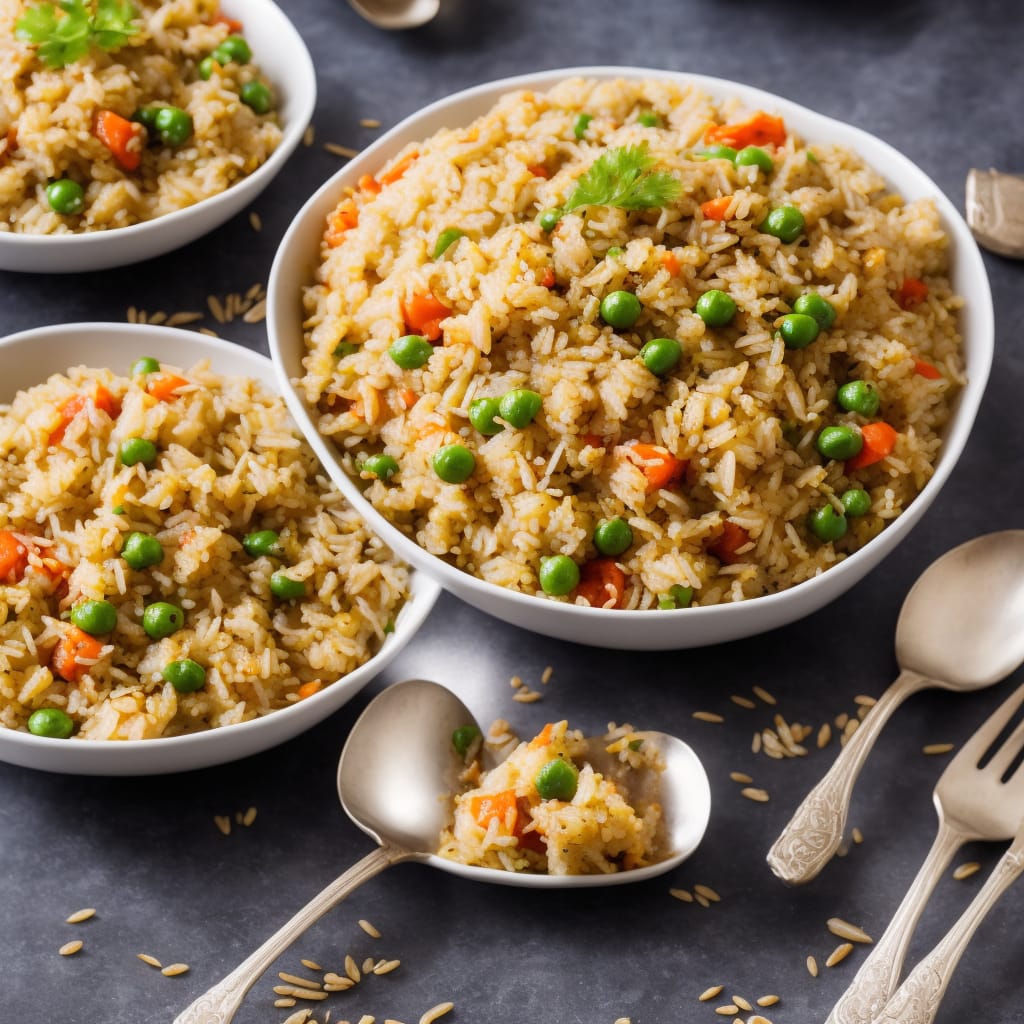
If you're looking for a meal that requires little effort to make, look no further from our baked recipes! Place your favorite dishes in the oven, and let it do the work for you. Our array of baked recipes are easy to make, each more delightful than the other. Serve up some delightful desserts ranging from baked cheesecakes and crumbles. Or try out a savory dish with some flavorful casseroles, cheesy baked potatoes, and more. So turn up the oven, and start making those delightfully baked tasty snacks and full meals!
Read More
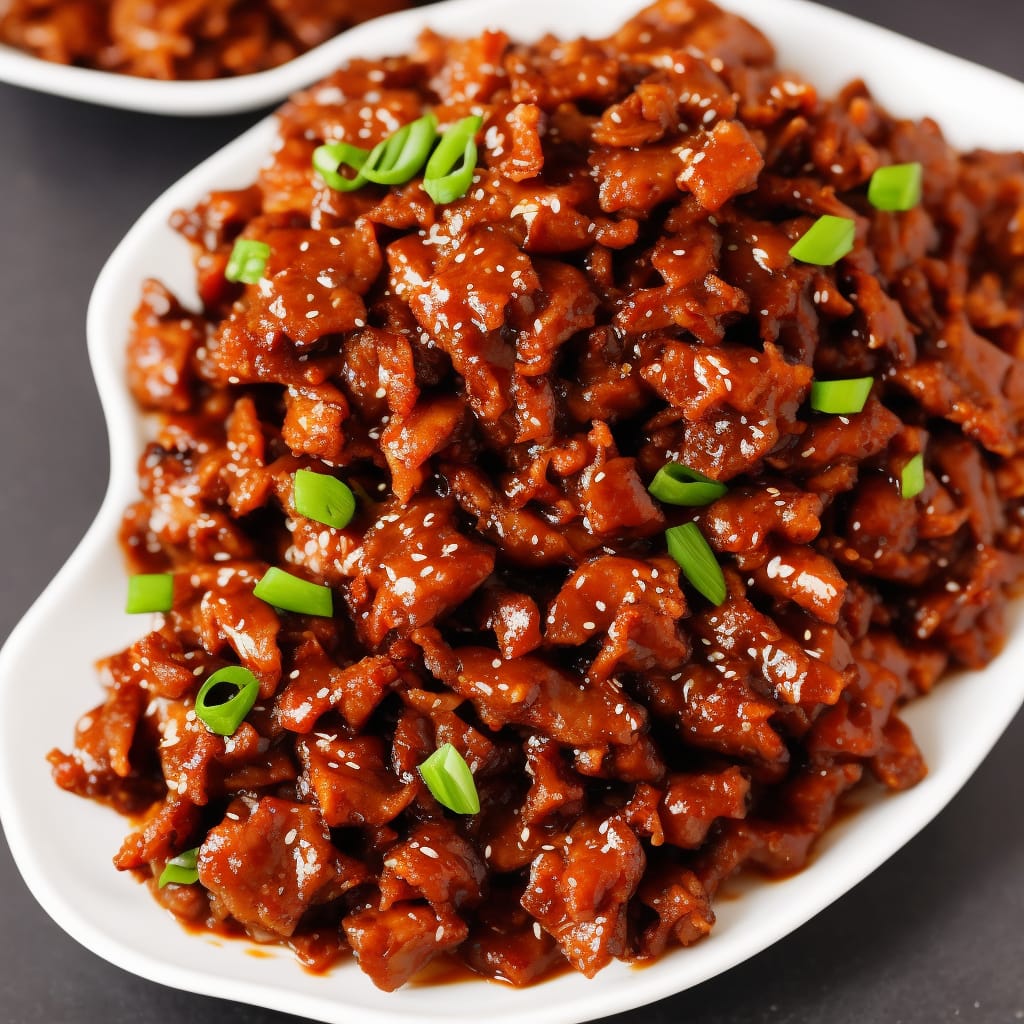
Make easy yet tasty meals with our stir fry recipes! Toss in some meat or veggies as well as delicious seasonings to make an almost-effortless meal. Stir it up and serve to your loved ones.
Read More
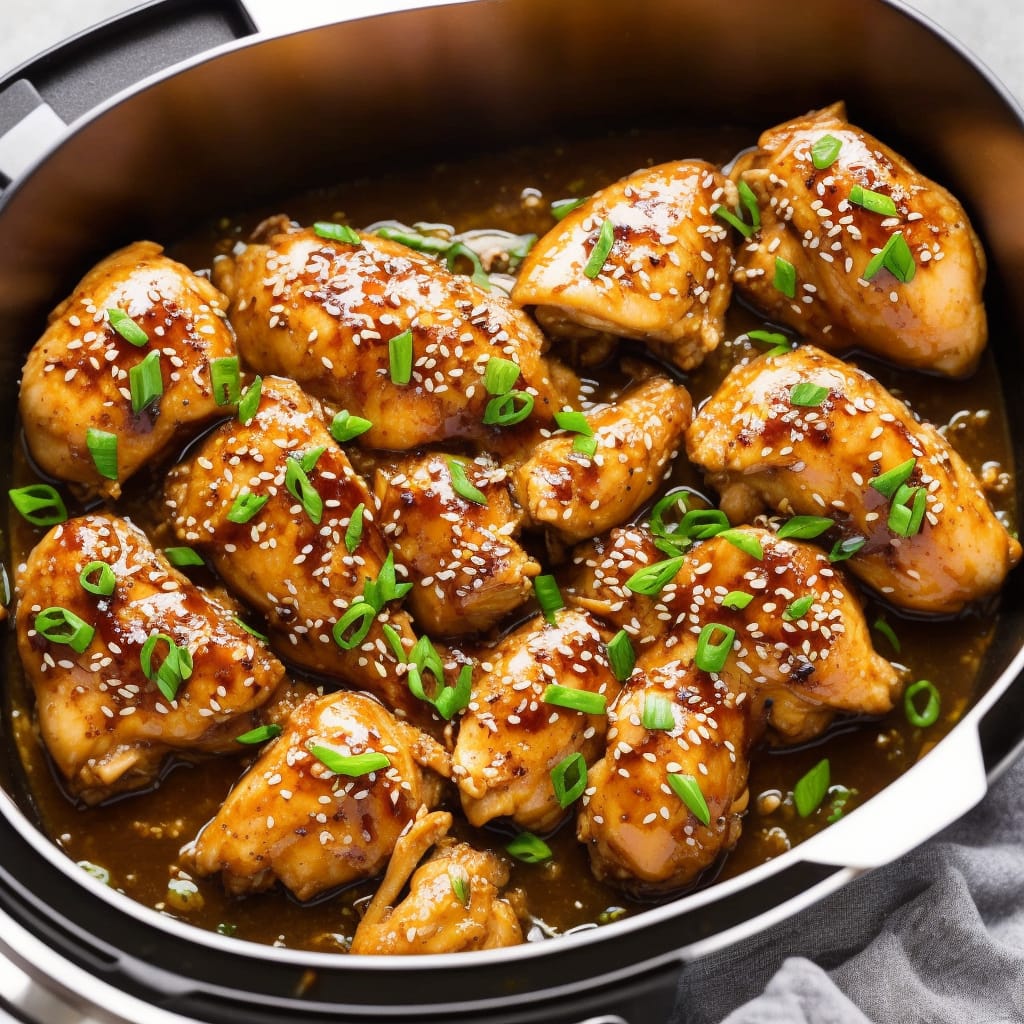
No time to cook? No problem! If you're too busy to whip up lunch or dinner meals, then don't worry. We have easy but delicious instant pot recipes right here to save the day! These instant pot recipes are great for coming up with quick fix dishes to instantly soothe a grumbling stomach. You'll be churning soups, stews, and other pot dishes so fast, you’ll be saying “dinner is served!” in no time. Just toss in ingredients into a pot and you’ve got yourself an instant pot meal. What more can you ask for?
Read More
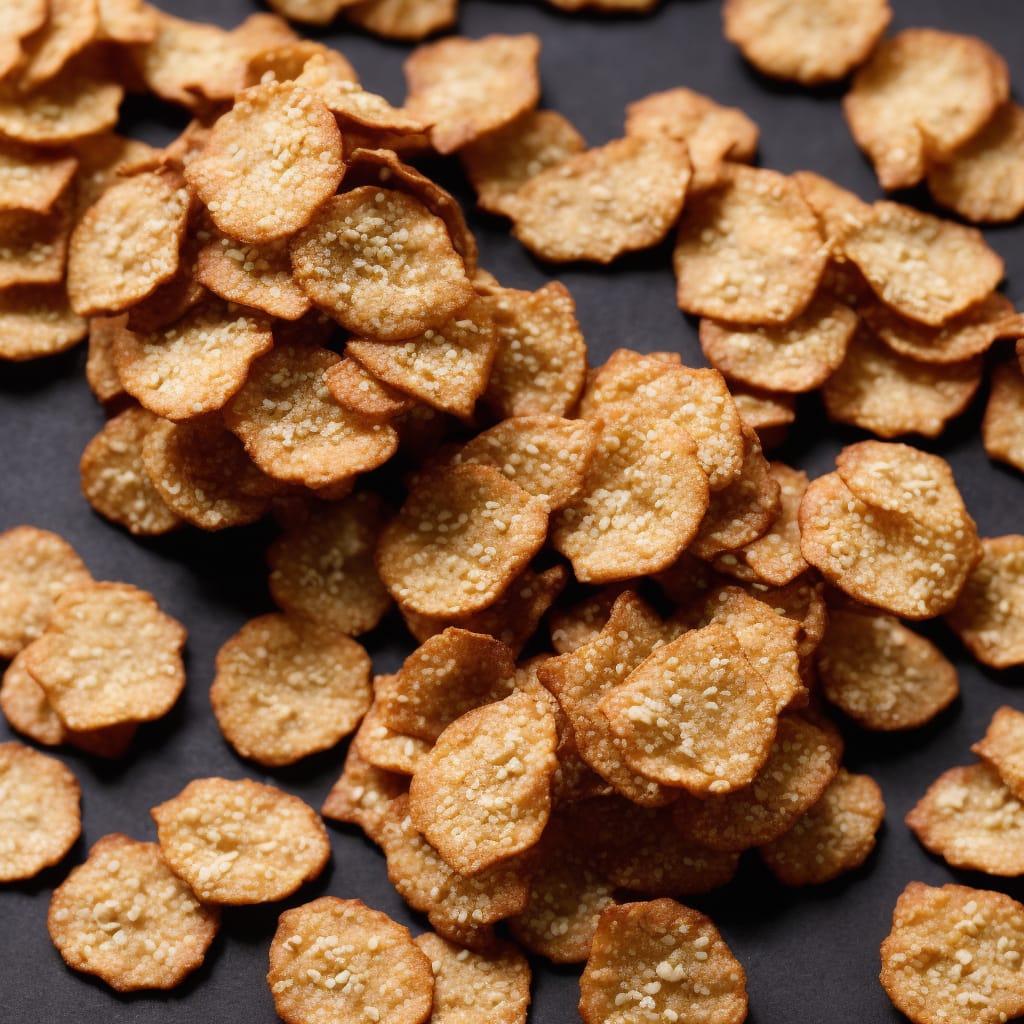
Make your meals healthier with our yummy vegetable recipes! Whether it’s green and leafy, or bright and colorful veggies, our recipes are the perfect answer. Whip up and serve flavorful vegetable dishes to keep your loved ones full and healthy. Also, if you’re worried about vegetables tasting bland, you don't have to worry, not with our vegetable recipes. We have all kinds of ways to help you cook delicious but nutritious veggies. So, go on and explore our vegetable recipes!
Read More
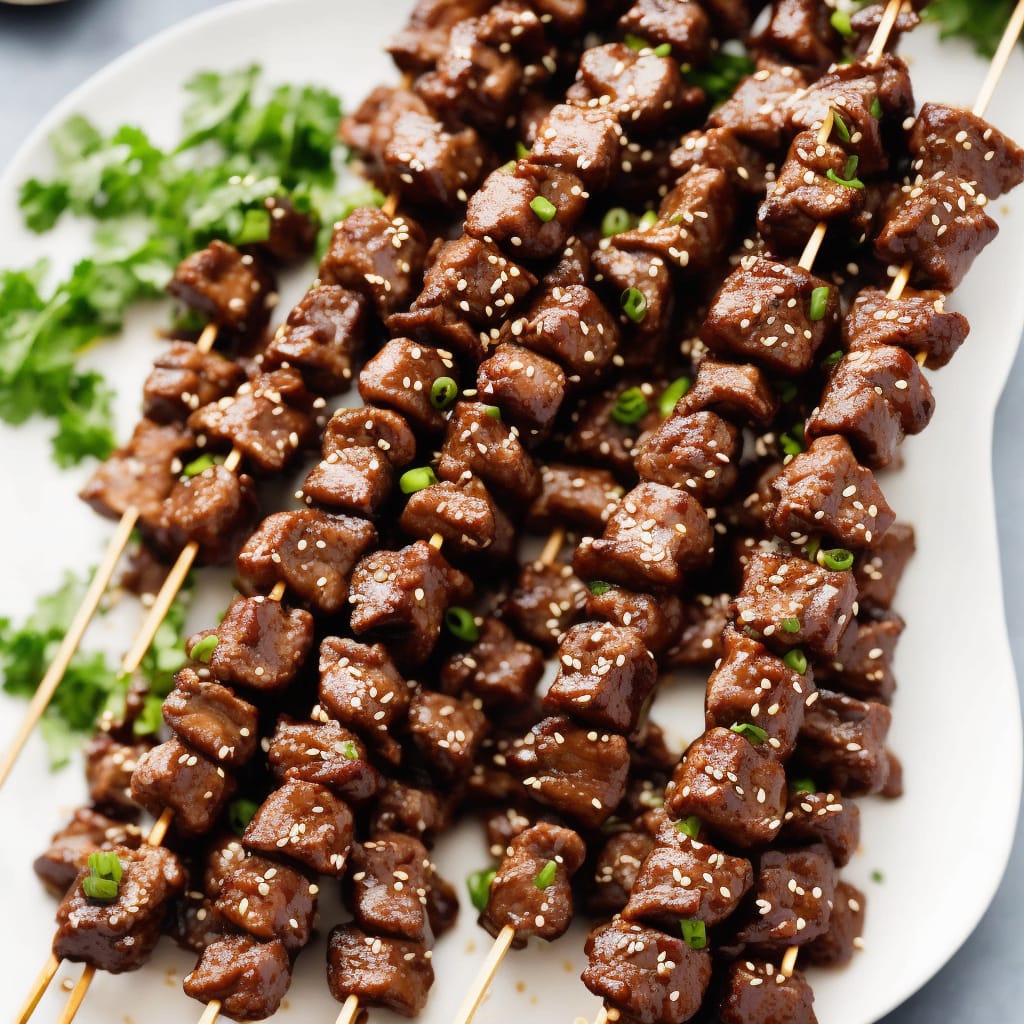
If you’re the outdoorsy type who simply loves grilled food and barbeque, then these grilled and BBQ recipes are for you! Cooking at the grill will be no challenge at all when you’ve got our grilled and BBQ recipes at hand.
Read More
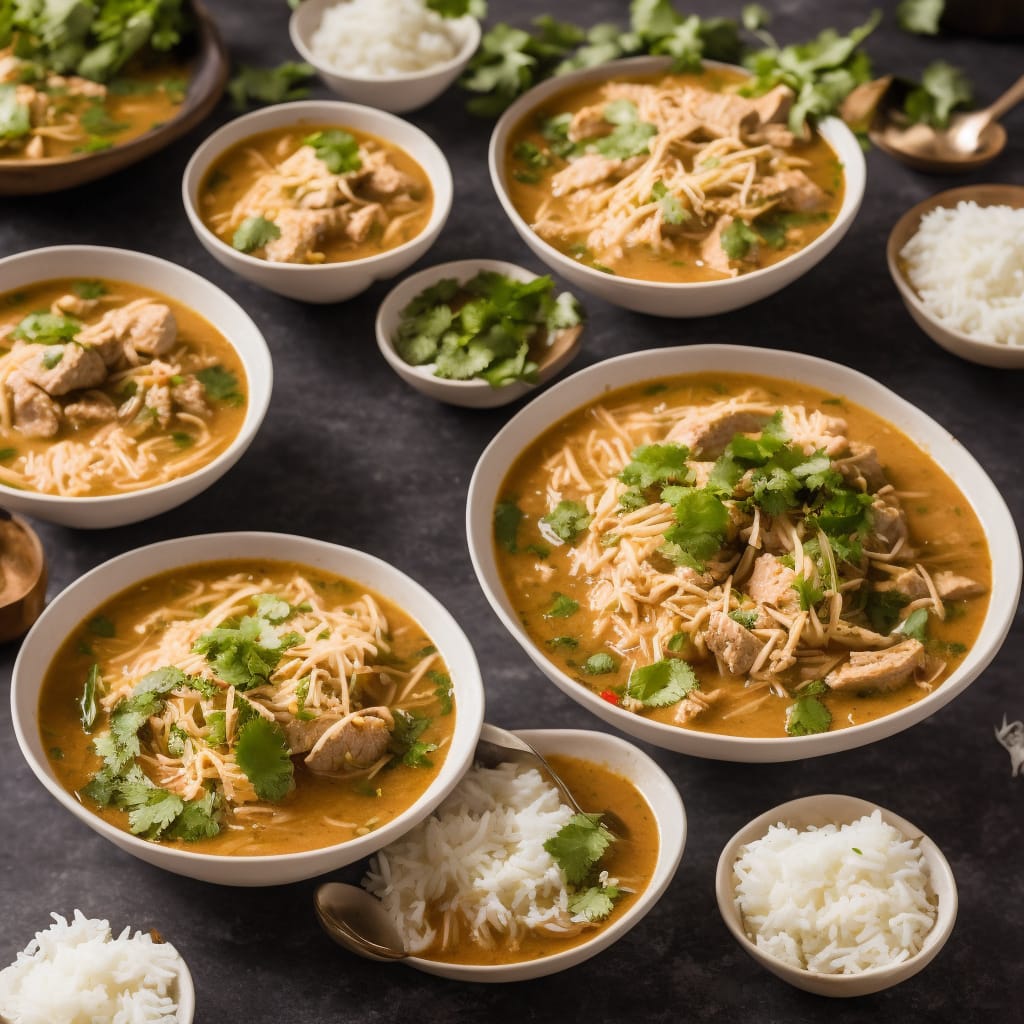
Taste exotic flavor combinations with our exquisite Asian recipes! Whether it's Chinese, South Korean, Thai, Indian, or Japanese, we've got all the signature Asian dishes you could hope for. Have a taste of Asian noodles, dumplings, fried rice, soups, stews, curries, stir fry, and more with our Asian recipes!
Read More
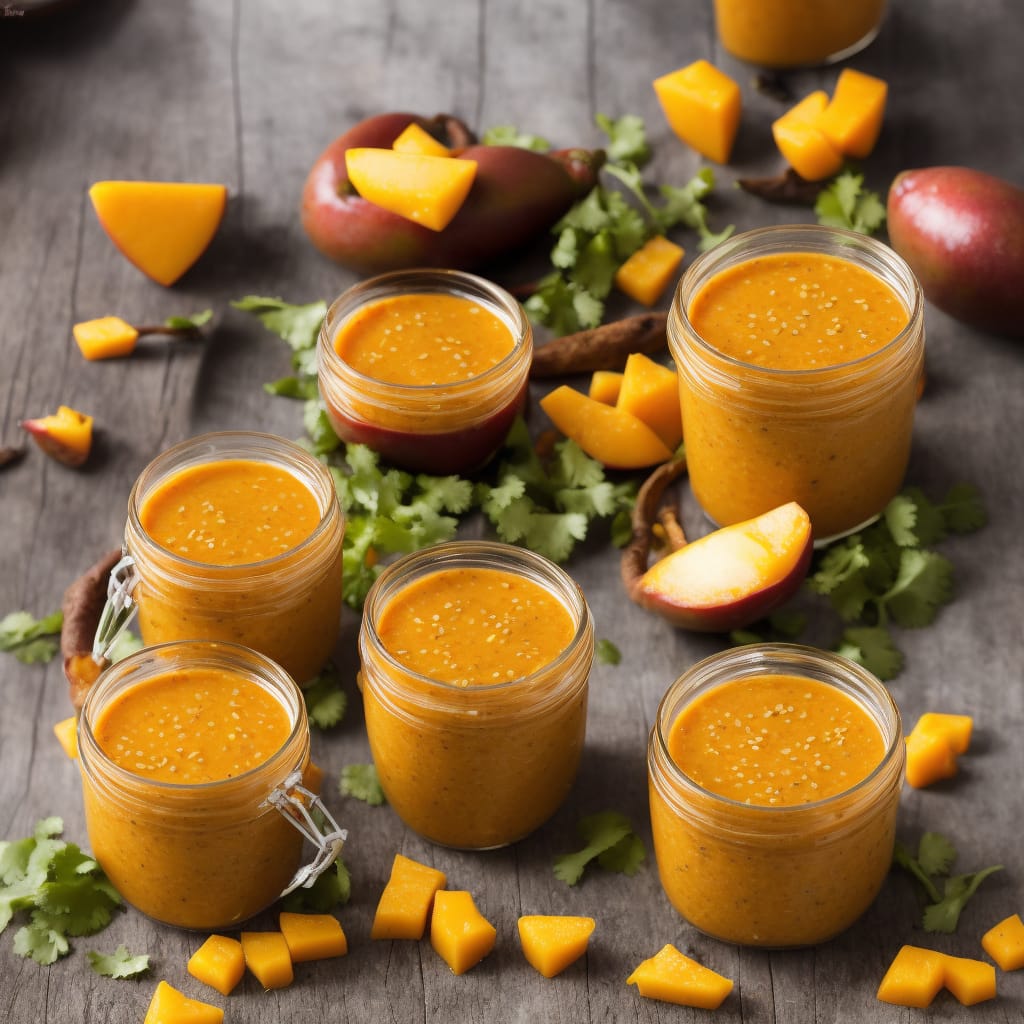
Need something to amp up the flavor on your appetizers? Look no further from our delicious dip recipes. Together with an array of sauce recipes, these delightful flavorings are sure to enhance any meal. We have a variety of recipes, from savory marinara sauces to sweet cinnamon dips. Pair off these yummy dip recipes with your favorite finger foods and snacks for a more delightful treat!
Read More
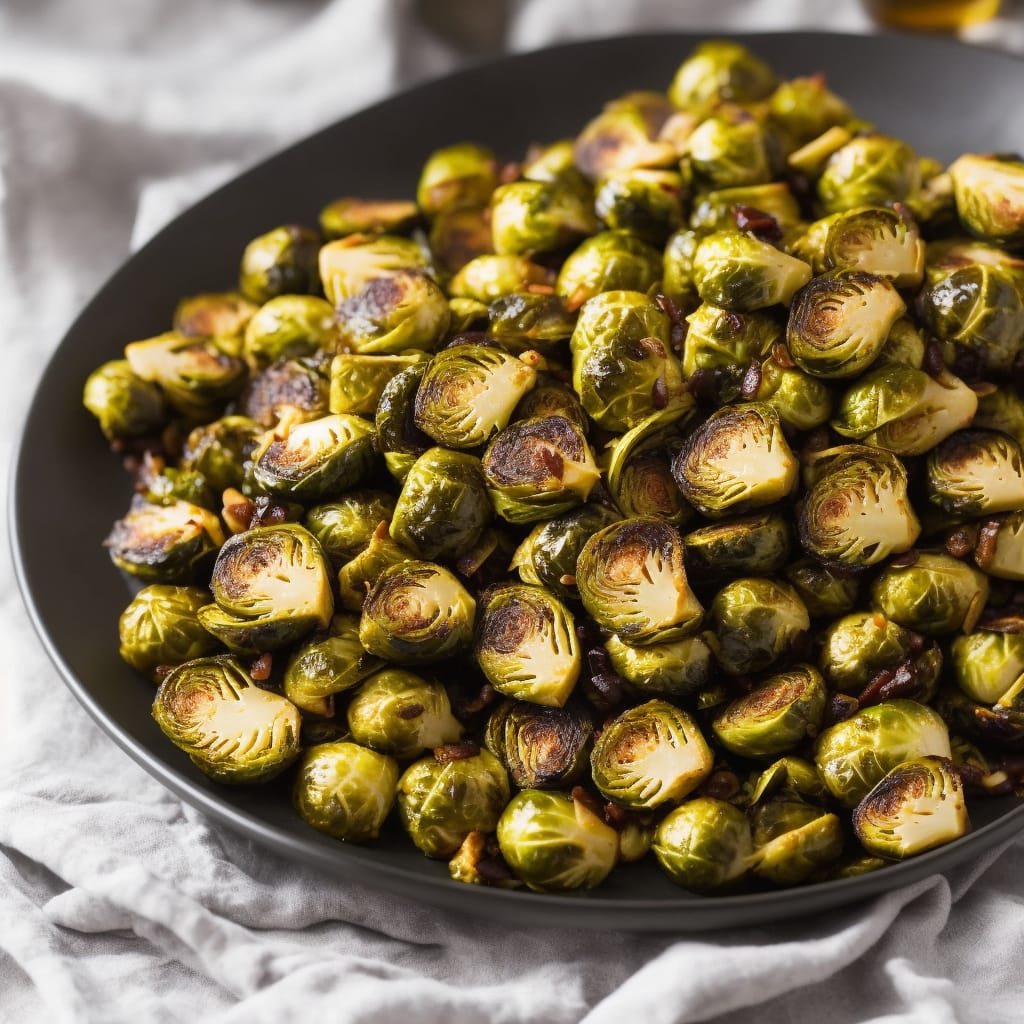
Make your meals healthier with our yummy vegetable recipes! Whether it’s green and leafy, or bright and colorful veggies, our recipes are the perfect answer. Whip up and serve flavorful vegetable dishes to keep your loved ones full and healthy. Also, if you’re worried about vegetables tasting bland, you don't have to worry, not with our vegetable recipes. We have all kinds of ways to help you cook delicious but nutritious veggies. So, go on and explore our vegetable recipes!
Read More

Tea is one of those aromatic beverages that works so well with biscuits and little treats. They are great sources of antioxidants and are good for your health. Settle in for a nice cup of hot tea to soothe your frazzled nerves, especially after a long day at work. These cups of warm delight can lift your spirits in many ways. But not all tea comes in warm, hence we have many iced tea recipes as well. Try tea as an ice-cold drink with added flavors of lemon, mint, and tasty spices. A cup of that is enough to energize you for the whole day. Or if you like a fancy cup of milk tea like the British royals, we also have just the right tea recipe for you. Find out how you can recreate these special homemade tea recipes today!
Read More
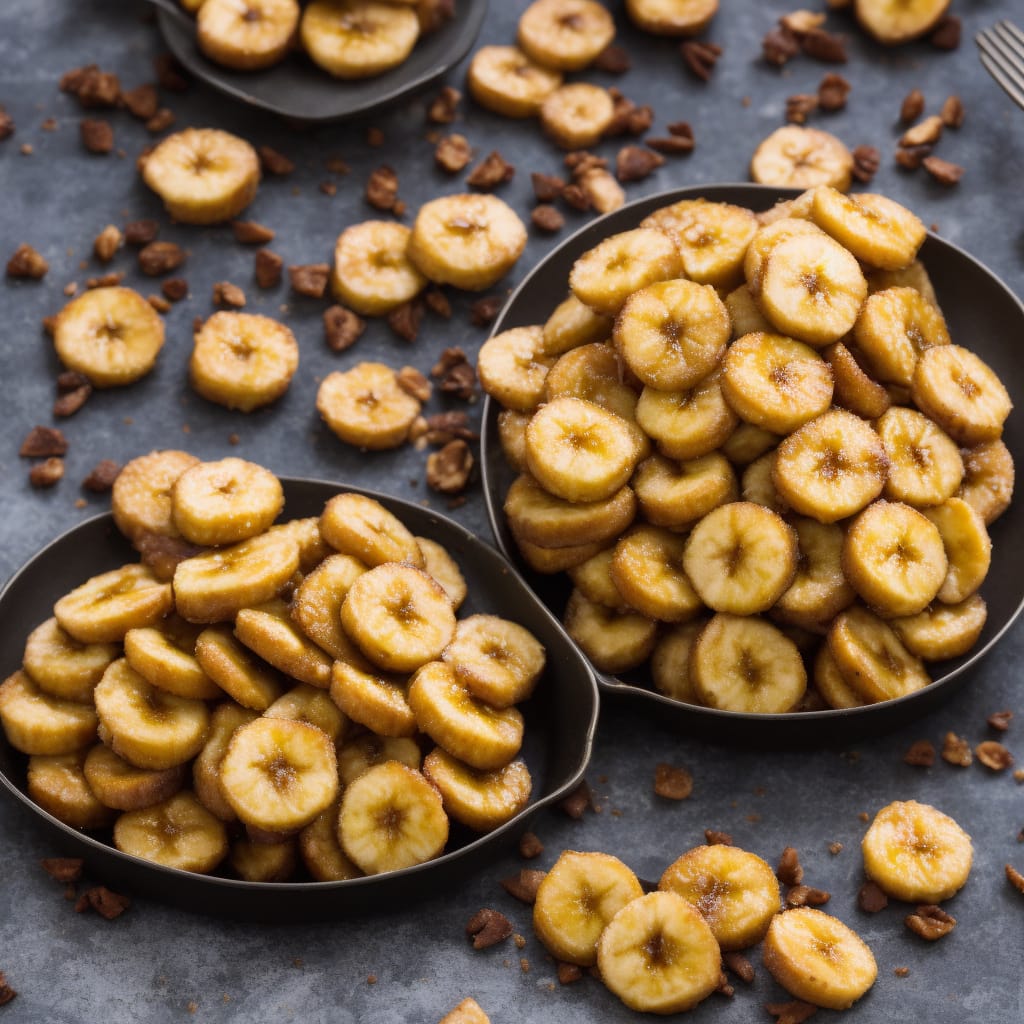
Bananas are sweet, slightly tart, and already delicious on their own. Just peel one up, and you can enjoy a tasty and healthy treat for yourself right then and there. But don't let that stop you from exploring what else this tropical fruit has to offer! Have it baked, candied, or incorporated in sweet treats like wafers and more. Check out these banana dessert recipes, and find out what to make with them.
Read More
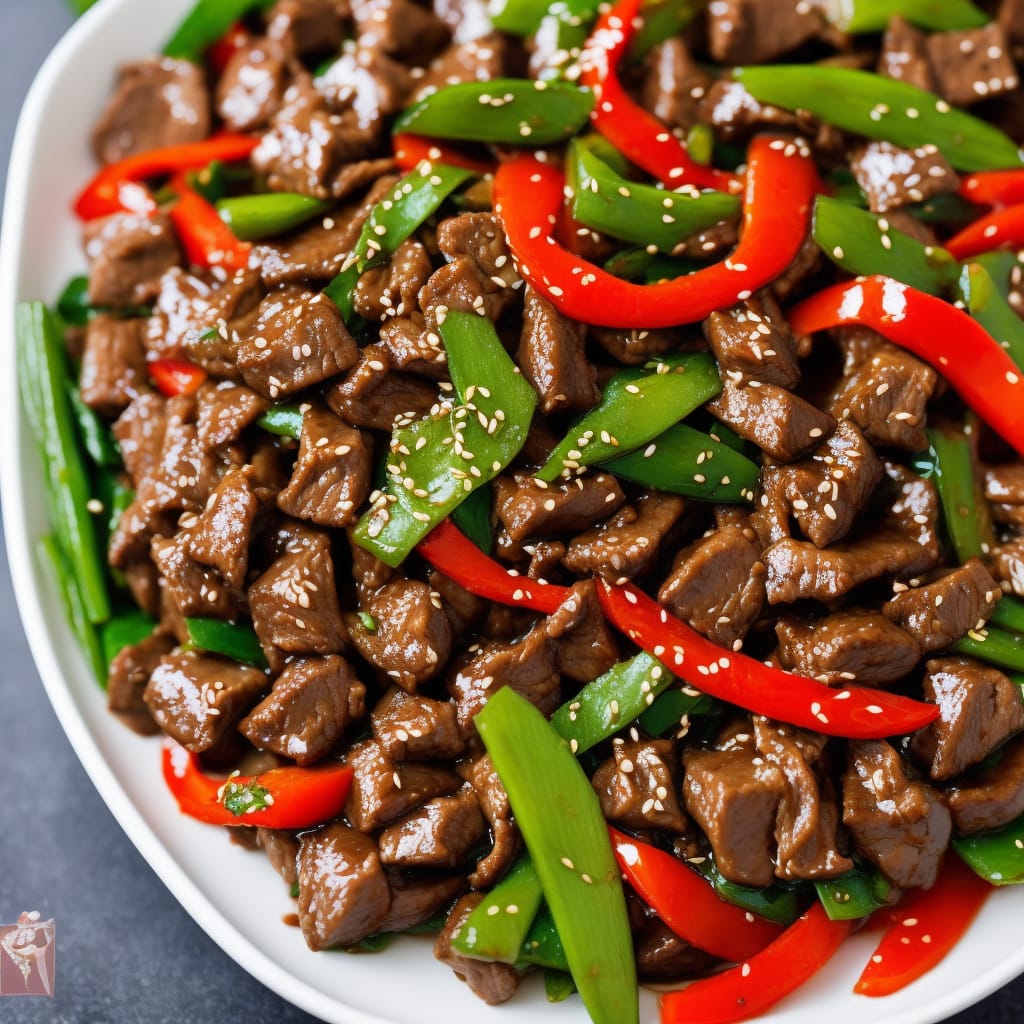
Make easy yet tasty meals with our stir fry recipes! Toss in some meat or veggies as well as delicious seasonings to make an almost-effortless meal. Stir it up and serve to your loved ones.
Read More
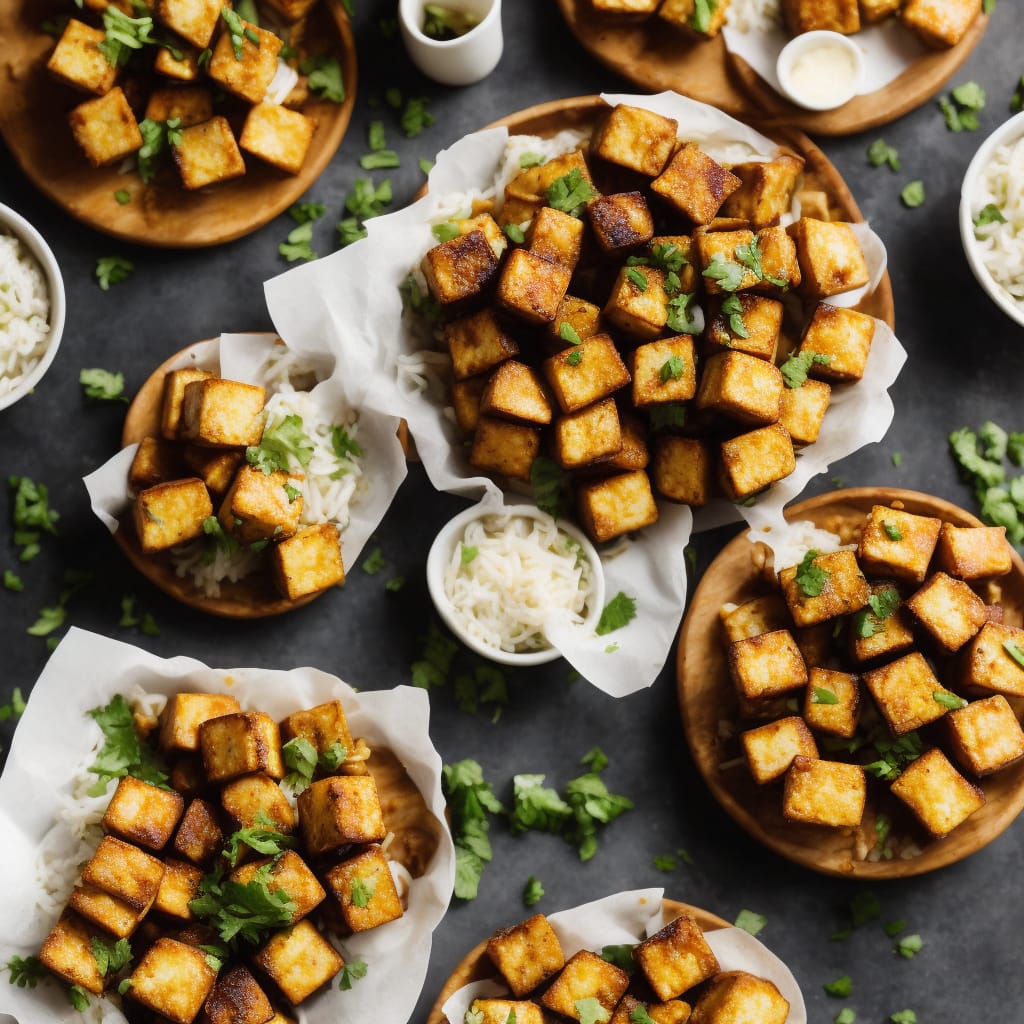
Have a few bites of appetizers to prep you for the big meal. Hungry but don’t want anything too heavy? These snack and appetizer recipes are sure to satisfy you and keep the hunger pangs at bay. From healthy snacks to extravagant party appetizers, you'll find anything light bite that suits your fancy right here!
Read More
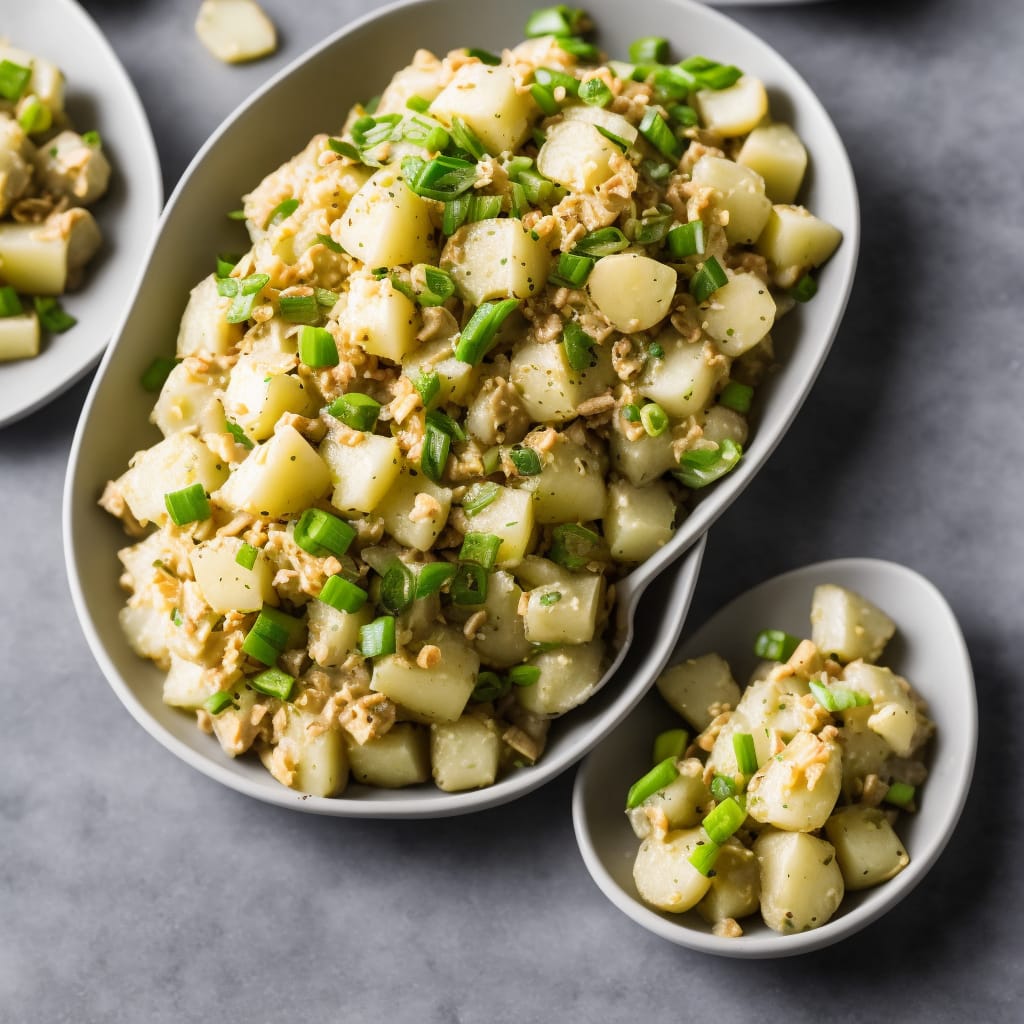
Salads are great for integrating your daily dose of healthy greens into your meals. Check out these salad recipes to throw together a salad that’s not only healthy, but also delicious as well!
Read More
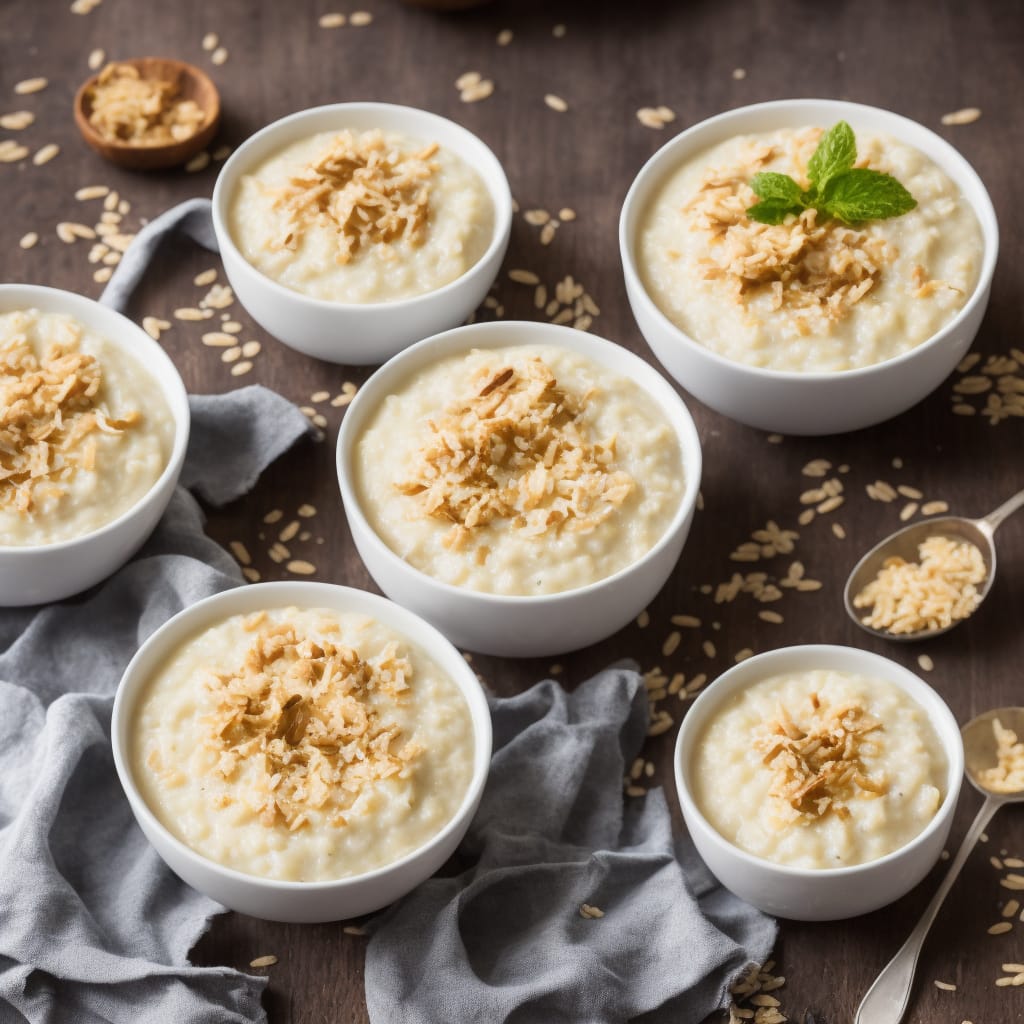
This sweet, delectable dessert is the perfect ender to any and every heavy meal! In fact, it's great even as a stand-alone snack. Make your own batch of scrumptious pudding with our amazing pudding recipes. We have recipes for all kinds of pudding, from pudding cake to bread pudding, and even rice pudding. Enjoy your own homemade version of everyone's comfort meal.
Read More
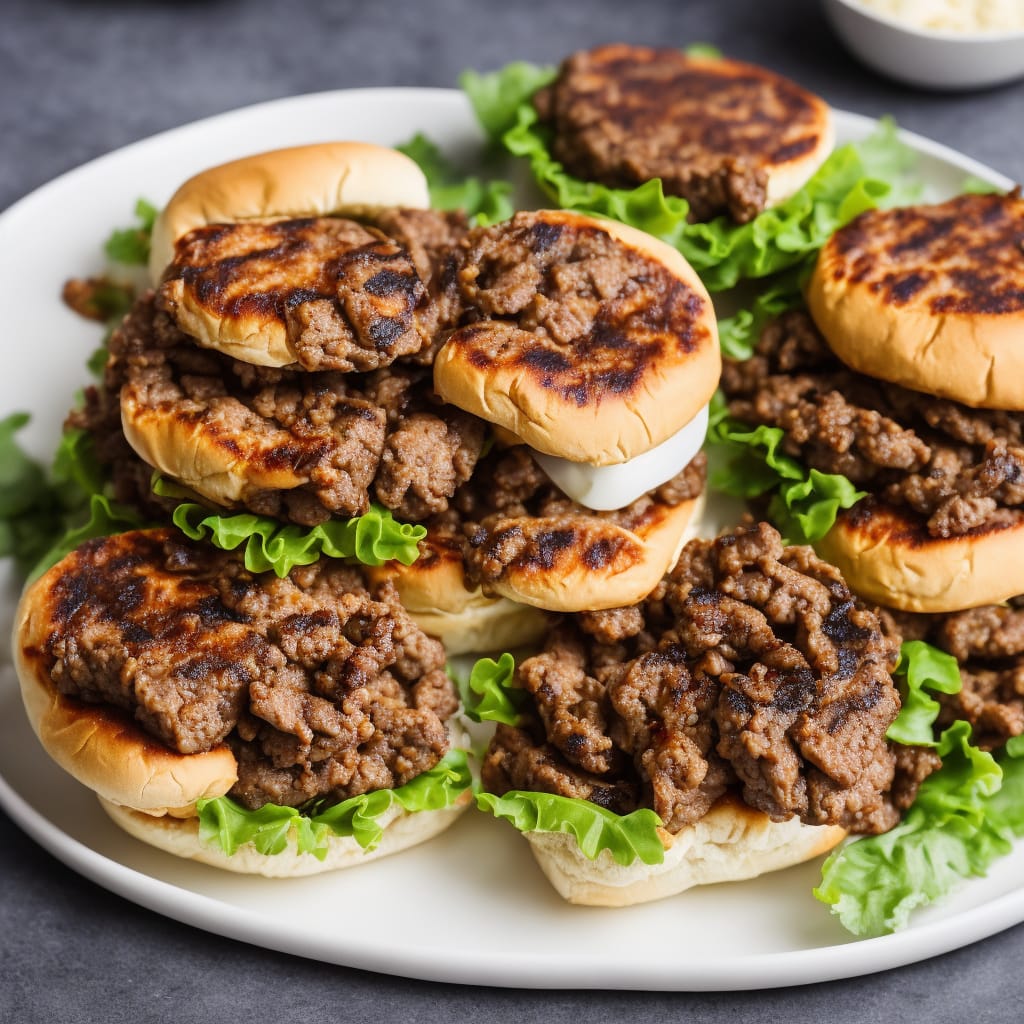
Looking for something that is sure to be a crowd-pleaser? Get cooking with some burgers! Use these hamburger recipes to put together a hamburger that is juicy and undeniably tasty across the board.
Read More
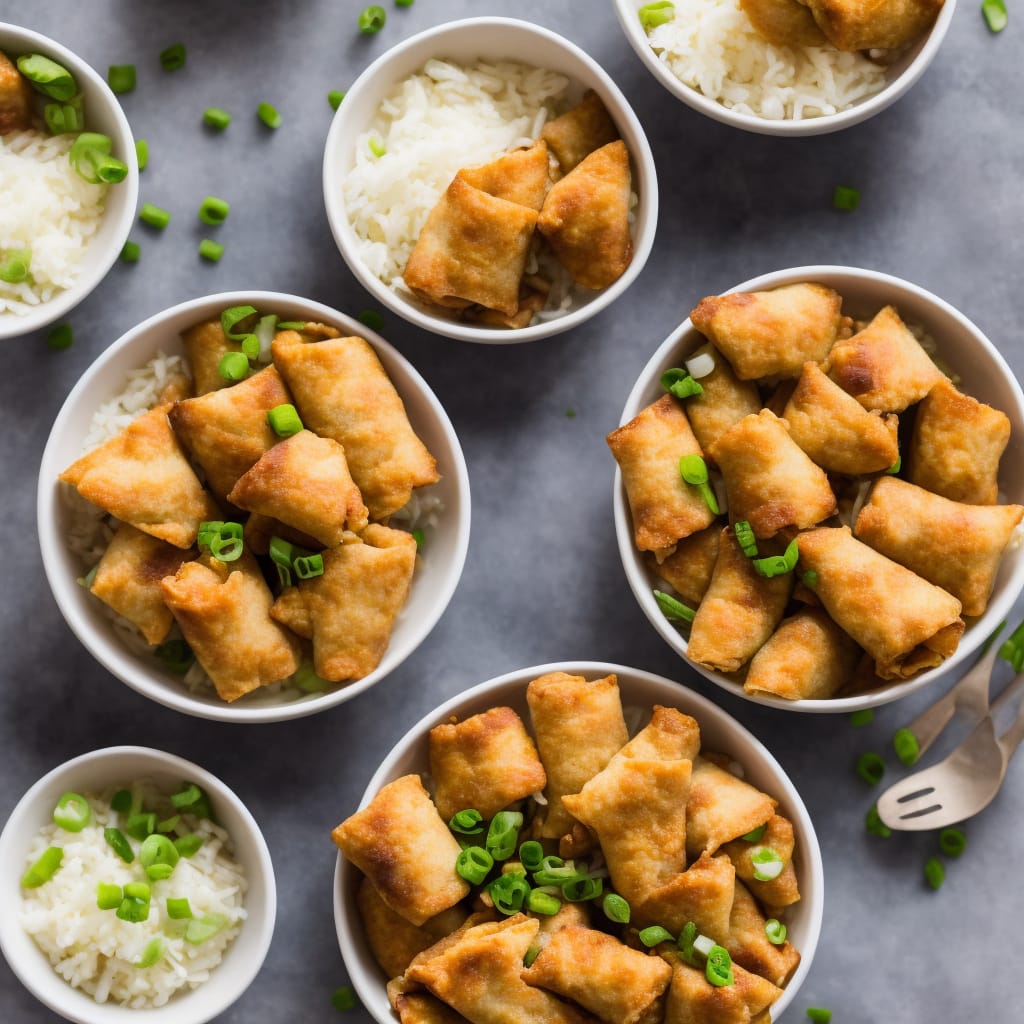
Make easy yet tasty meals with our stir fry recipes! Toss in some meat or veggies as well as delicious seasonings to make an almost-effortless meal. Stir it up and serve to your loved ones.
Read More
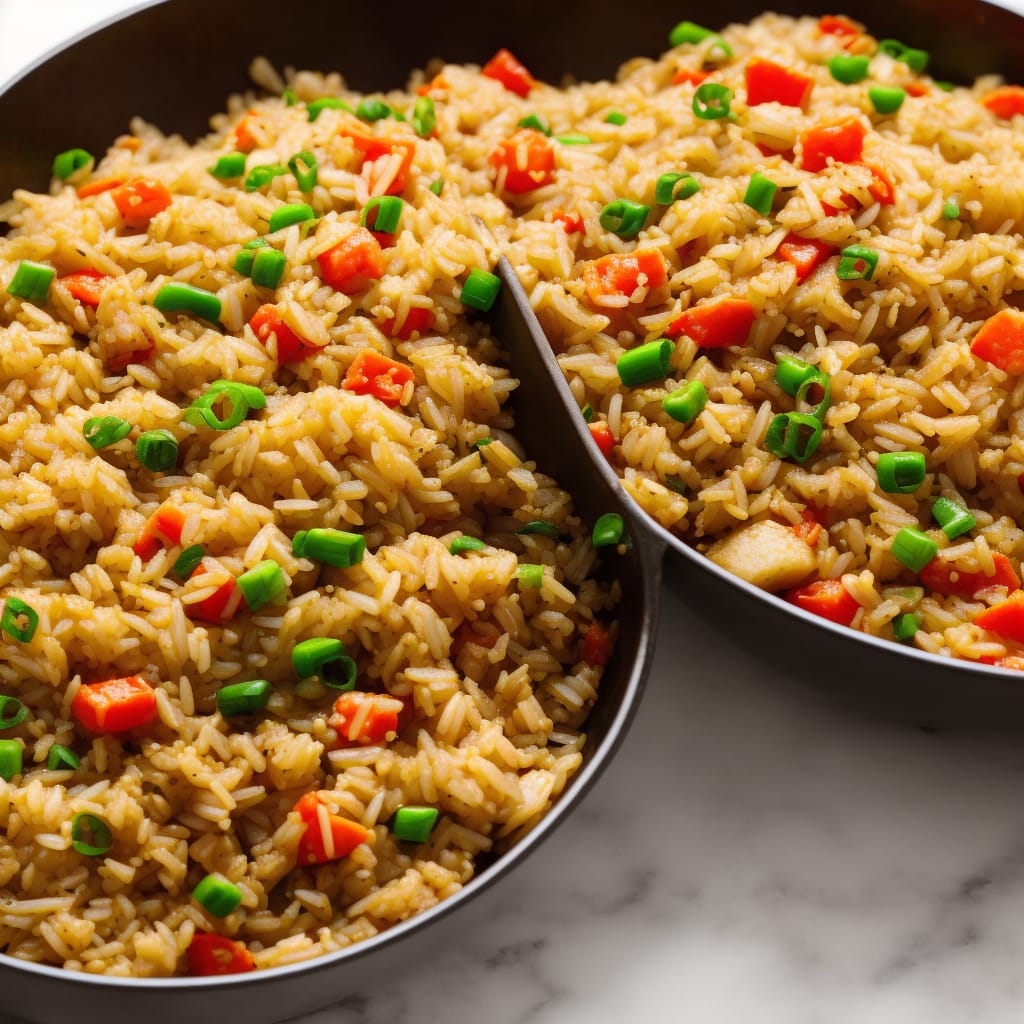
Discover the many delectable ways you can serve rice with our risotto and rice recipes! Rice is a versatile kind of food that you can add to almost anything and it still tastes great. You can partner rice with meat, vegetables, or seafood and it will still hold up well. You can even turn it into a dessert pudding! There are so many ways to cook this ultimate filling comfort food. Find the perfect rice dish for you with our risotto and rice recipes.
Read More
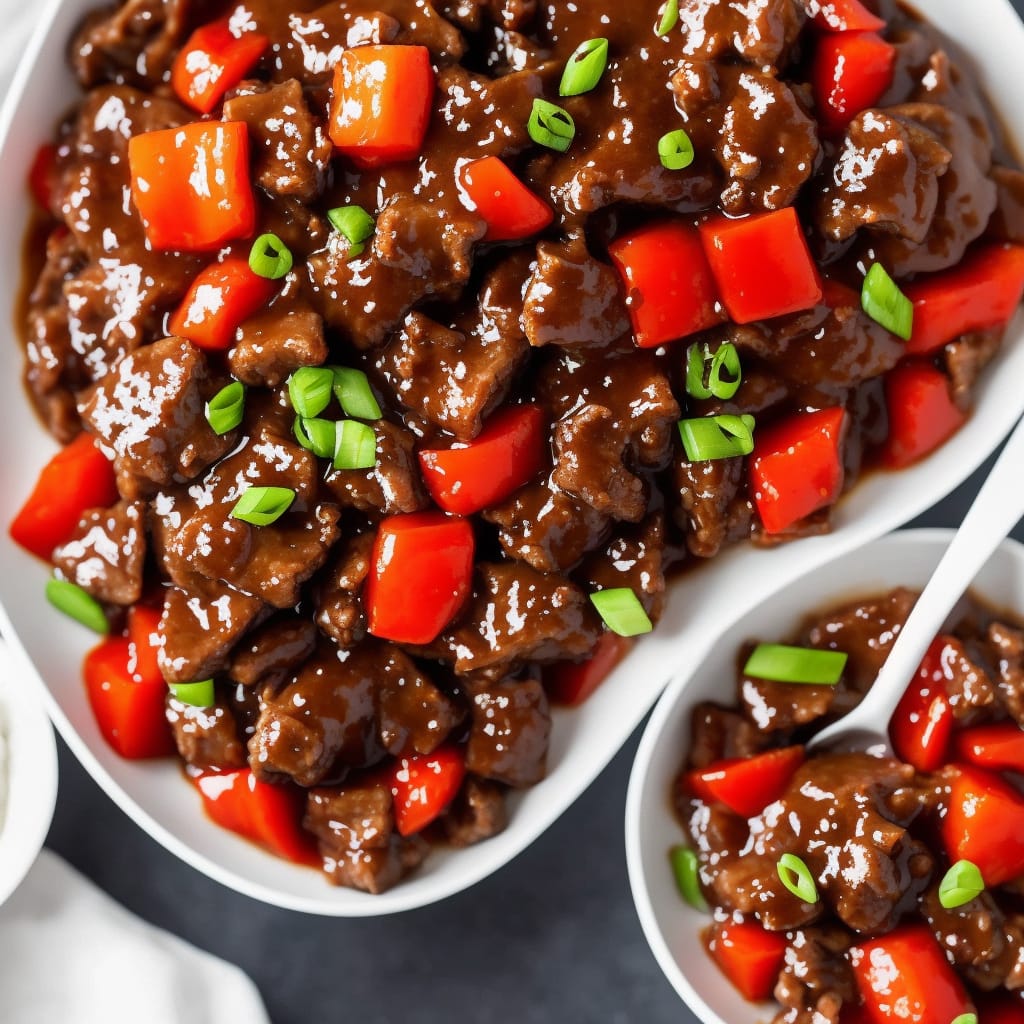
Who said that cattle meat can't be good for you? Well, these healthy beef recipes are here to prove that claim wrong. Essentially, you don't have to cut red meat completely out of your diet if you prepare each dish with wellness in mind. Simply incorporate the right ingredients into your recipe. Choose the cooking method and balance the proportions of each component, and you're half way there! Check out this collection for recipes that you can try for a healthy and well-rounded diet.
Read More
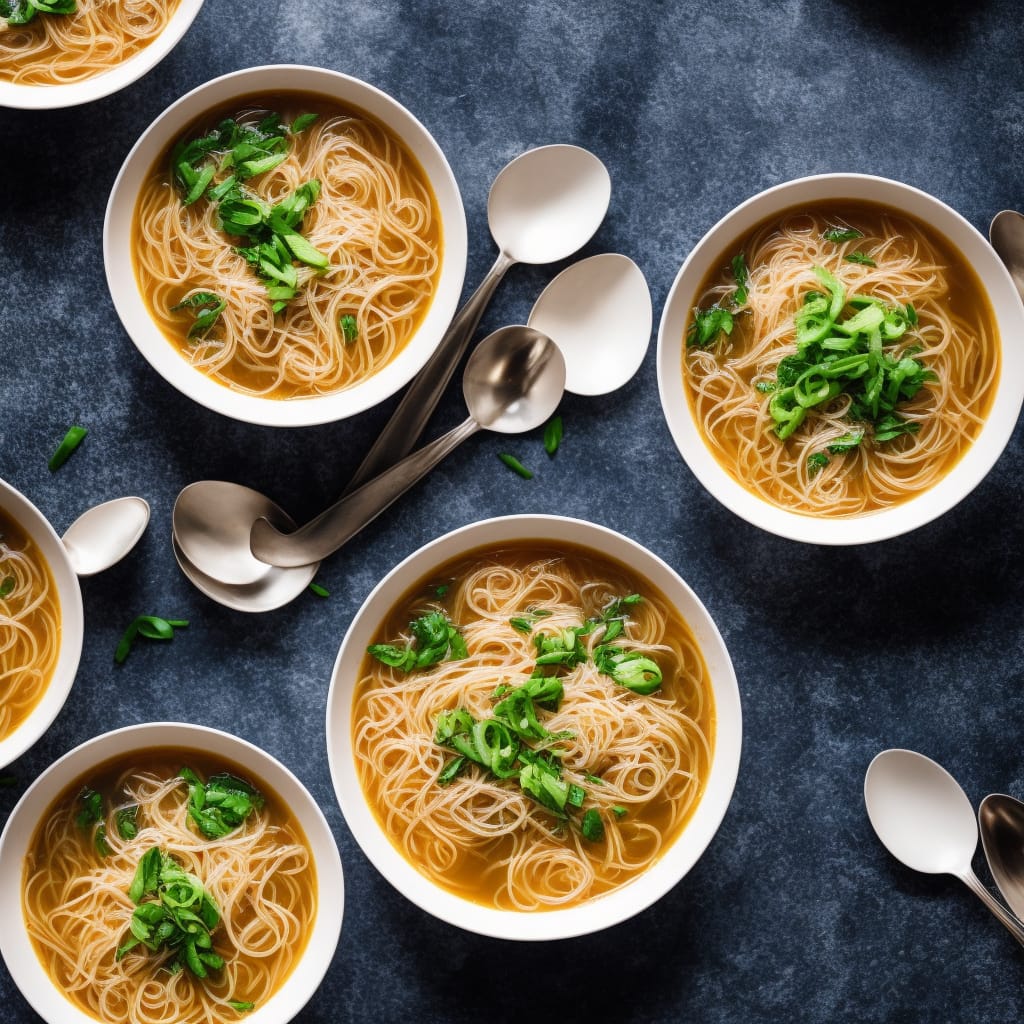
This classic and versatile dish is not one to miss in the dinner table! Make delicious, warm soup with our comforting soup recipes. You can enjoy this dish as a main course, side dish, or even an appetizer. If you're just learning the ropes around cooking, then soup recipes are a great place to start. Delve into our amazing soup recipes for something easy to make, but satisfying to eat. We guarantee you'll be wiping the bowl clean down to your last spoonful!
Read More
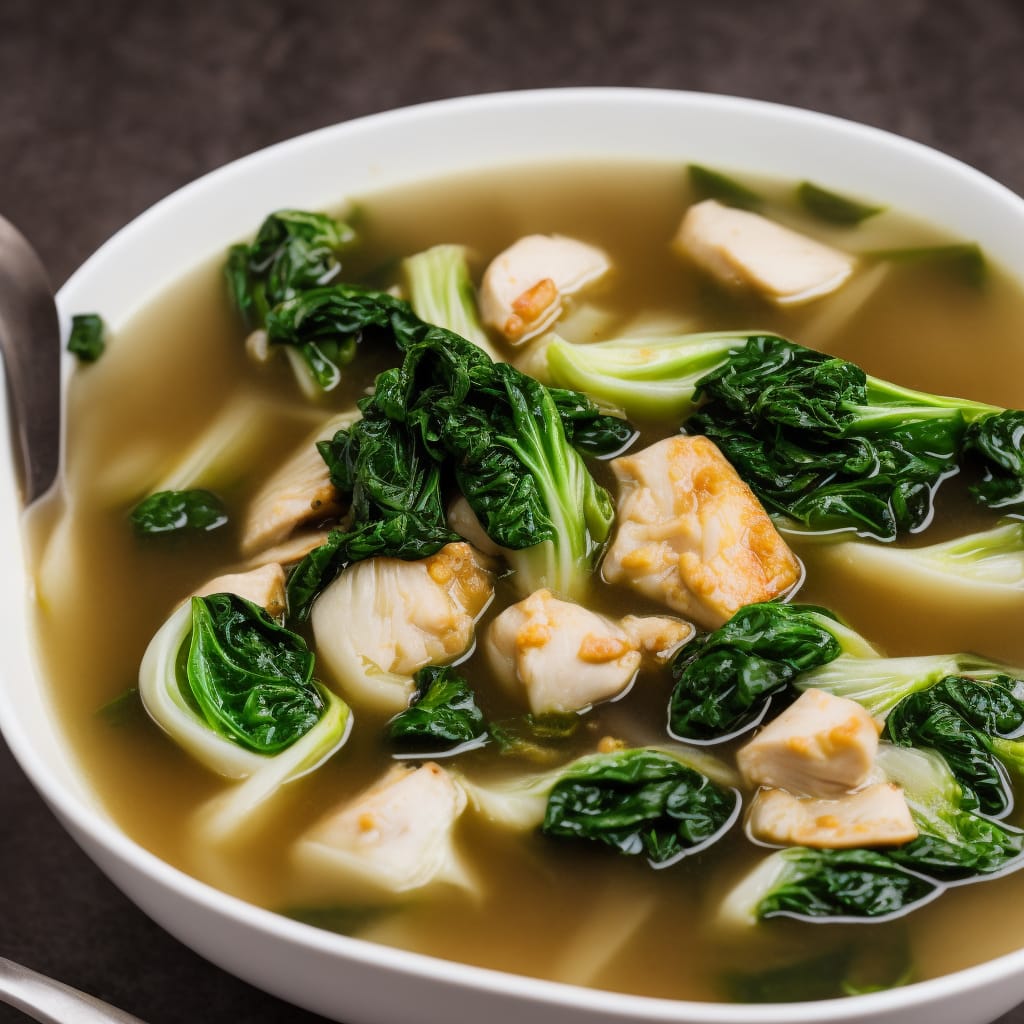
This classic and versatile dish is not one to miss in the dinner table! Make delicious, warm soup with our comforting soup recipes. You can enjoy this dish as a main course, side dish, or even an appetizer. If you're just learning the ropes around cooking, then soup recipes are a great place to start. Delve into our amazing soup recipes for something easy to make, but satisfying to eat. We guarantee you'll be wiping the bowl clean down to your last spoonful!
Read More
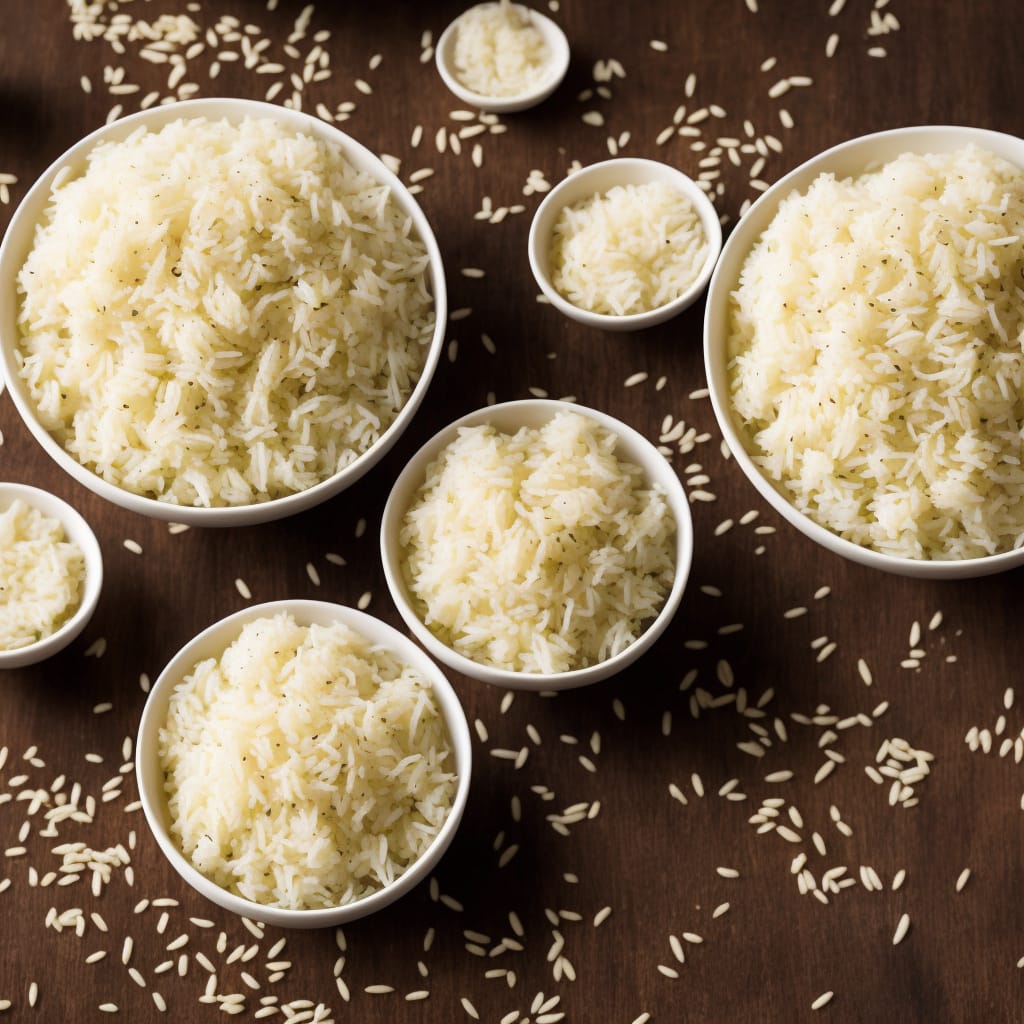
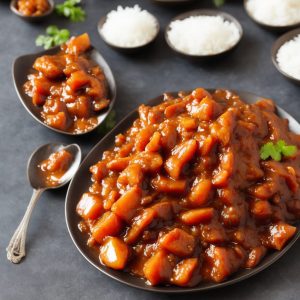
Rice simply is the perfect side dish. It doesn't overpower the main course, and rather complements it with its subtle flavor. Filling and tasty, no wonder it's a staple food in many Asian countries! You can try different varieties of rice, from the plain white cultivar to the special heirloom kind. Check out these rice side dish recipes, and find out the various ways of preparing this special grain.
Read More
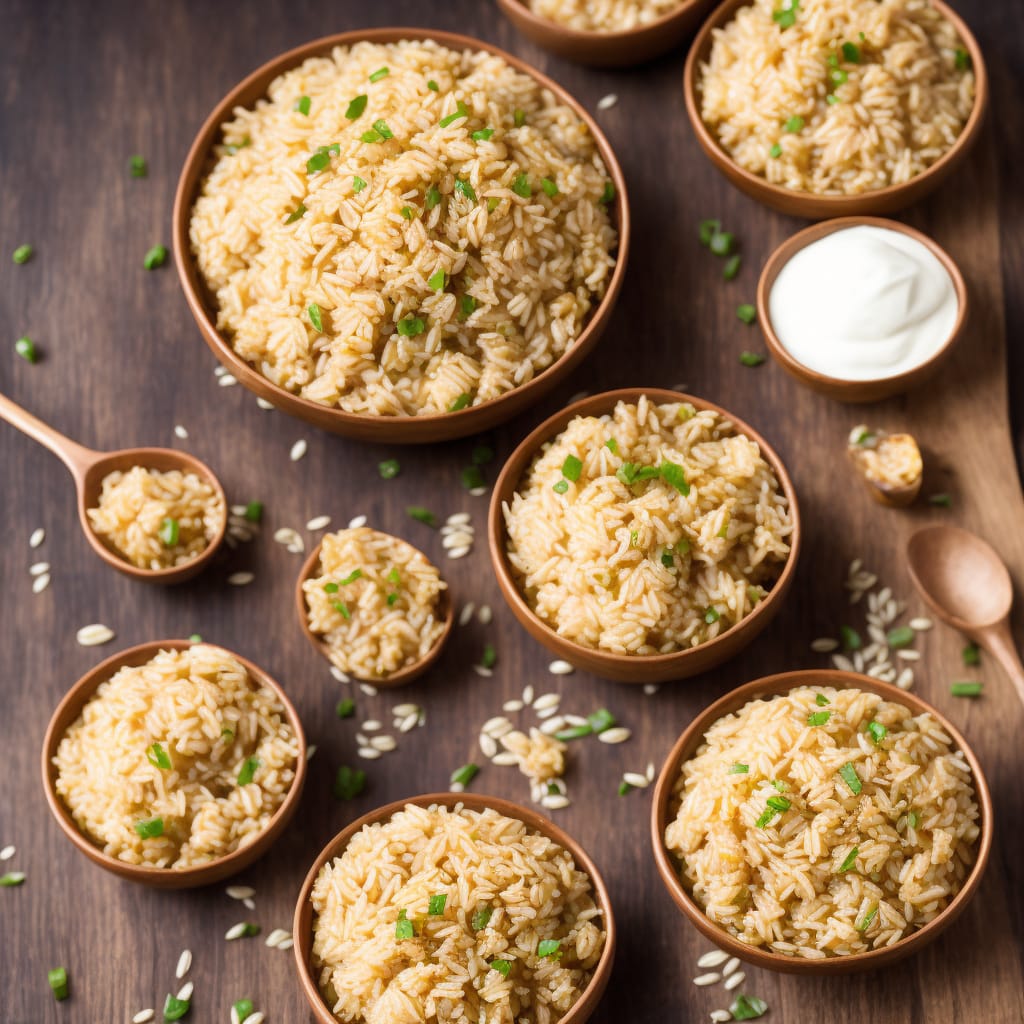
Discover the many delectable ways you can serve rice with our risotto and rice recipes! Rice is a versatile kind of food that you can add to almost anything and it still tastes great. You can partner rice with meat, vegetables, or seafood and it will still hold up well. You can even turn it into a dessert pudding! There are so many ways to cook this ultimate filling comfort food. Find the perfect rice dish for you with our risotto and rice recipes.
Read More